
Basics of landscape maintenance
Guide for residents.
Lawns
Minimum equipment required:
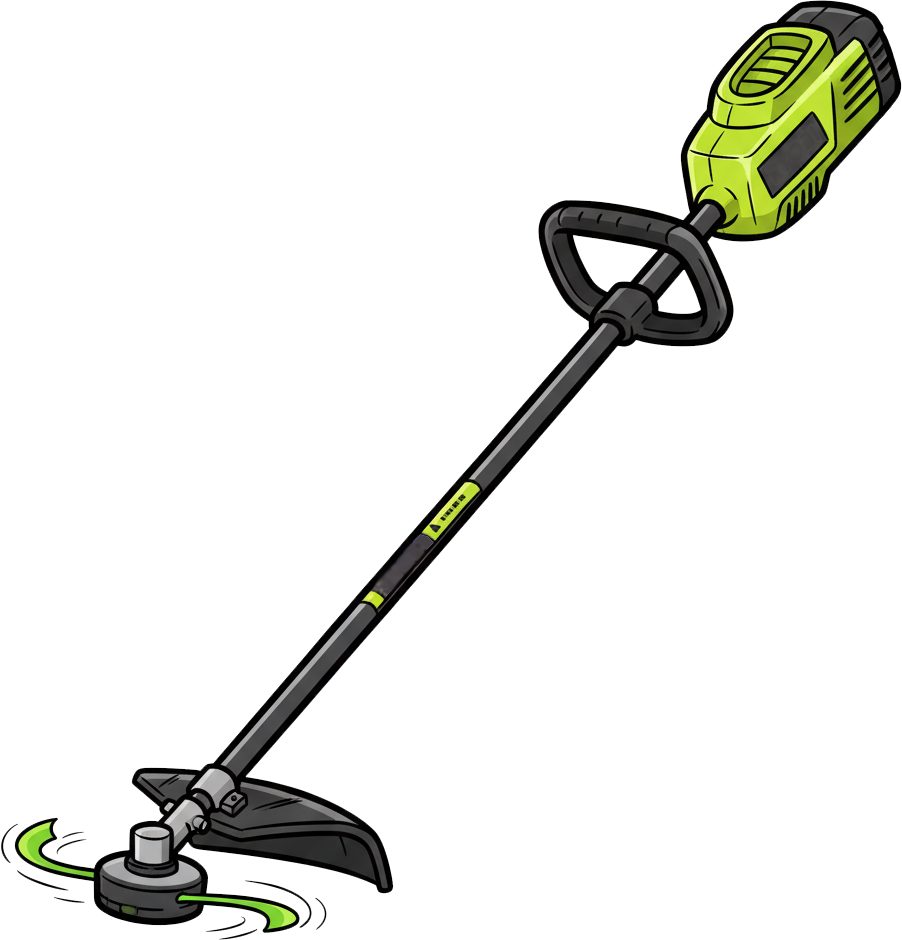 |
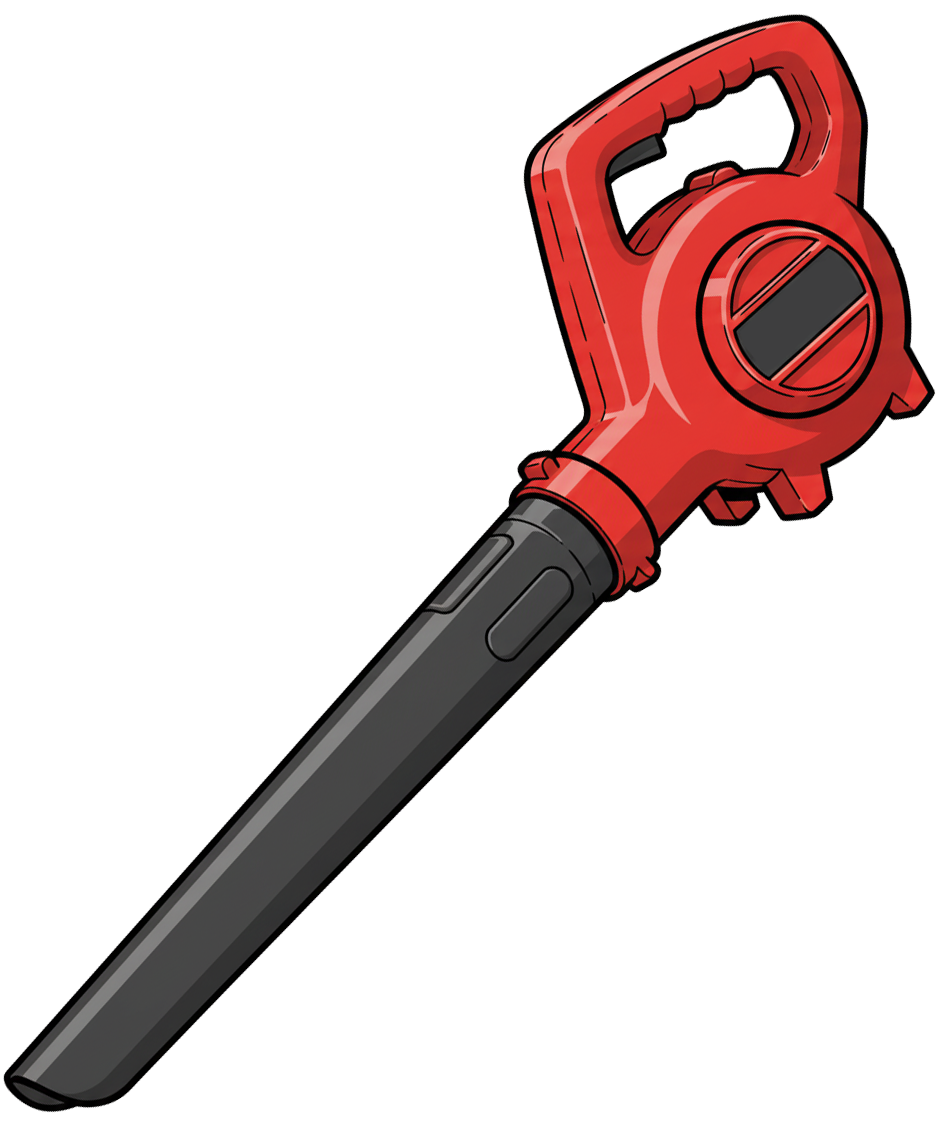 |
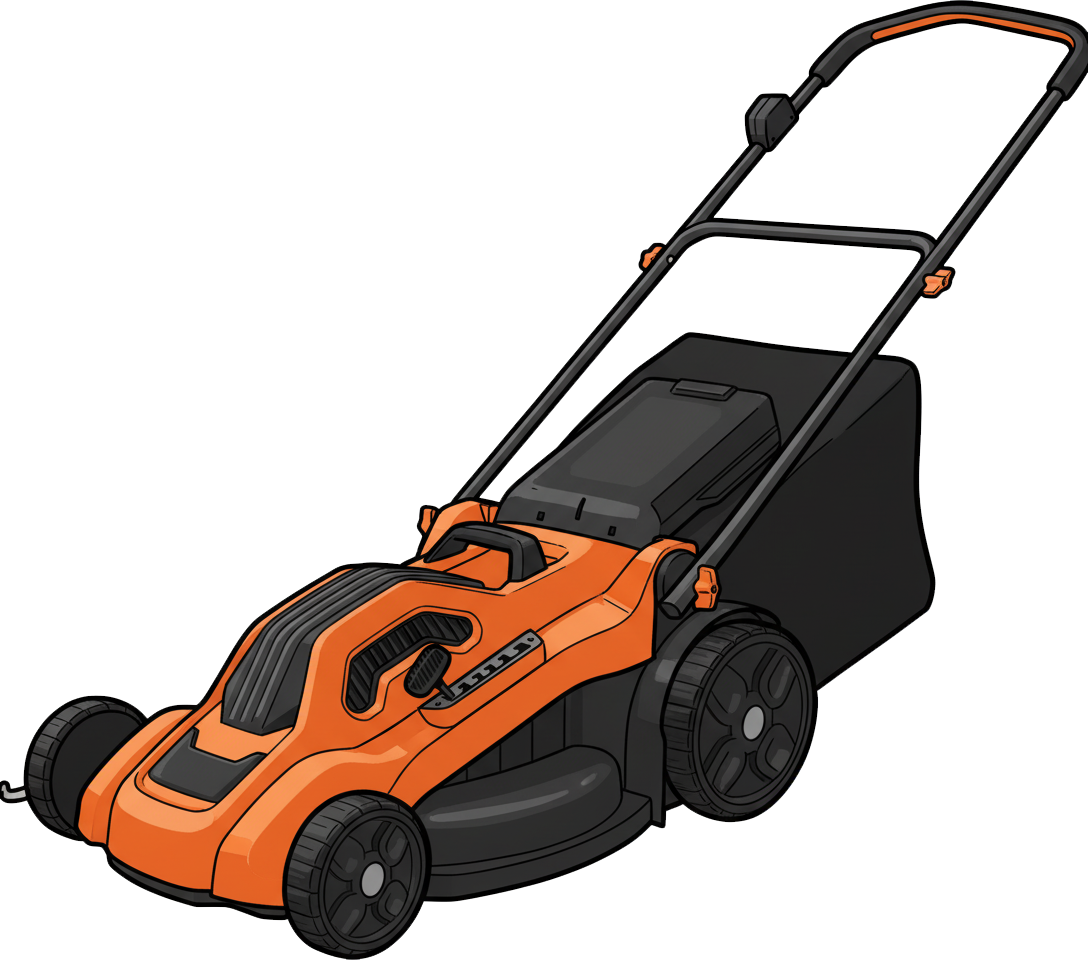 |
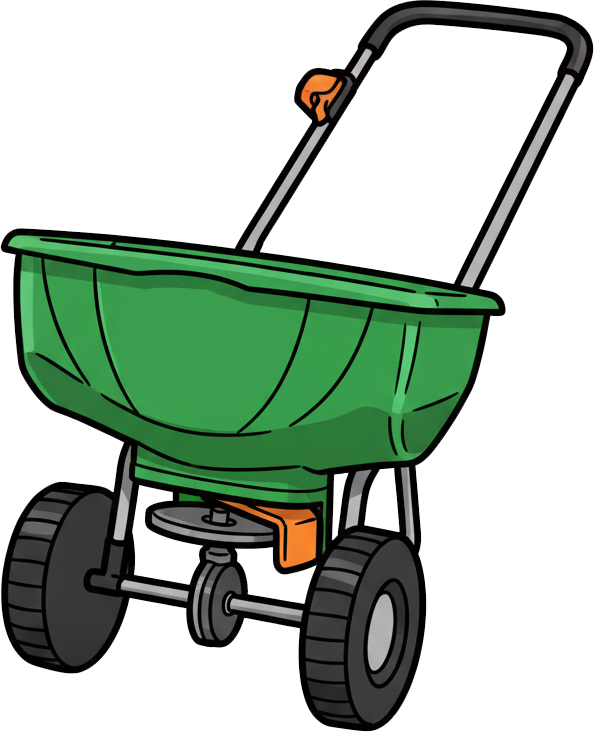 |
| String Trimmer |
Leaf Blower |
Lawn Mower |
Broadcast Spreader |
💡Always wear proper safety equipment such as goggles, gloves and in some cases, hearing protection.
- Trim the edge of your lawn adjacent to driveways, sidewalks and structures.
Hold the trimmer upside down so the string cuts straight up and down.
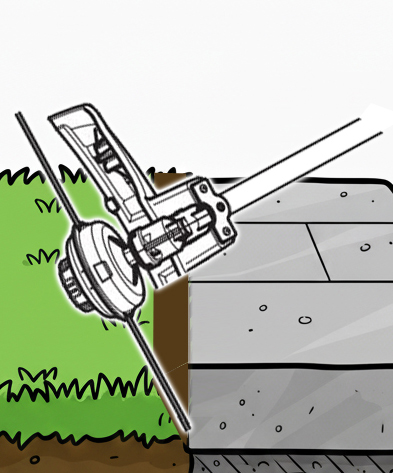
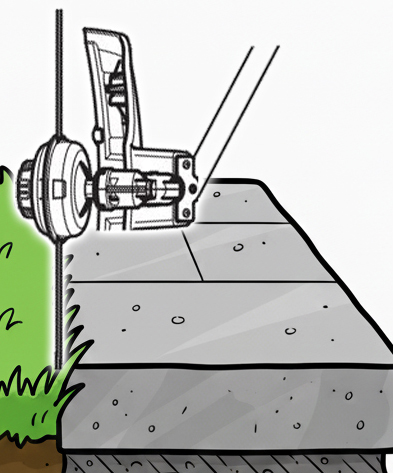
INCORRECT CORRECT
- Blow all your grass trimmings, leaves and other debris off the street and sidewalk and onto your lawn so they are picked up by your mower. Do not blow leaves and debris into the street.
- Mow your lawn to a season-appropriate height with a mower powerful enough to pick up all debris.
Gas, Battery or Corded Electric?
Many homeowners are realizing that battery-powered landscape maintenance equipment does not perform well. Some "lawnmowers" just chop the grass and leave it on top of the lawn, requiring additional tools and time to complete, and have no power at all to vacuum up debris as required in step 3 above. While we wait for this technology to mature we recommend owning either a gas or corded electric lawnmower. There are also excellent corded electric string trimmers, leaf blowers and hedge trimmers available.
Fertilizer
It is recommended you follow a seasonal fertilization program such as the Zamzows Lawn Program which includes amendments that are engineered for Idaho’s heavy, clay-based soils. You will need a broadcast spreader, not a drop spreader, for correct application of all treatments.
Common Lawn Diseases
- Dollar Spot, Brown Patch, Rust, Red Thread, Snow Mold, and Pythium Blight, often appearing as spots or discolored patches (yellow, brown, gray) caused by fungus. Lawn damaged by fungus will often have a brown dead spot where the grass has died, but a lighter yellow-ish-brown ring around that where the fungus is spreading. The type of disease will determine the course of treatment.
- Grubs - Patches of brown, dry, wilted grass. Grab a handful of your lawn and tug. If it rolls up like loose carpet, you probably have grubs.
- Crabgrass - The leaves of crabgrass are broader than grass blades, and it grows in clumps close to the ground. The stems grow outward rather than up, and look like the legs of a crab. Pre-emergent treatment is crucial in early spring. Your best defense is a healthy lawn. Crabgrass hates a thick, healthy lawn.
- Chinch Bugs - If your lawn looks like it is being eaten away from the edge where it meets concrete, you probably have Chinch Bugs.
Weeds
Weeds should be treated or removed from landscape, driveways, sidewalks and the curb seam between the sidewalk and the street. Use an EPA-approved herbicide appropriate for each area. Do not use herbicide on windy days, rainy days or when asphalt is wet. ACHD has also authorized fire weeding for the curb seam.
Download the Stormwater Pollution Prevention fact sheet.
Download the ACHD Homeowner responsibility for weeds flyer.
Environmentally Friendly Herbicide Recipe
Excellent for driveways, sidewalks and the curb seam. Do not use in your yard!
- 1 gallon of white vinegar
- 1 cup of table salt
- 1 tablespoon of Dawn dish soap
Trees
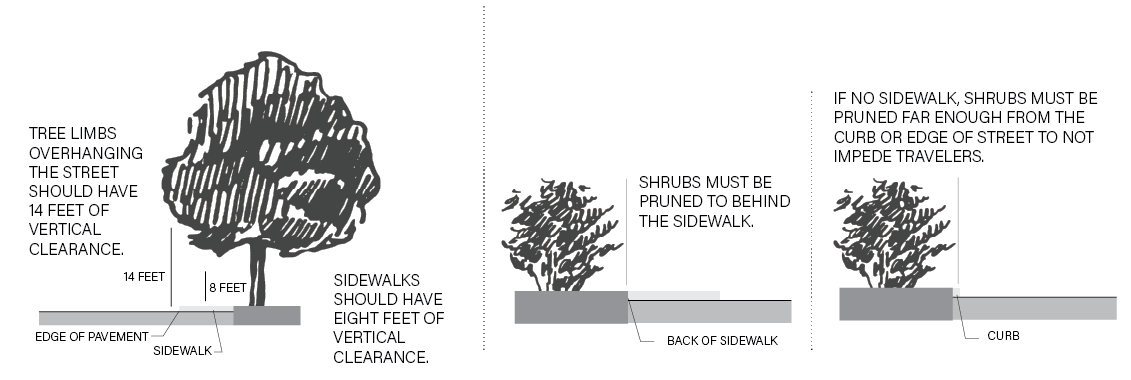
Trees must be trimmed to minimum heights over sidewalks and roads per ACHD requirements. 8 feet above sidewalks, 14 feet above roads.
 Neighbor or Common Area Trees
Please review the Tree Trimming & Maintenance Policy before performing any action on a tree that is on neighbor or common area property.
Shrubs
Shrubs must be trimmed back from sidewalks per ACHD requirements.
💡Take the projected mature diameter of a shrub into consideration before planting.
Snow
Boise ordinance 7-5-5 requires homeowners to clear the sidewalks in front of their property by 9am each day and keep them clear of snow throughout the day. If your driveway is situated on the north side of your property you may not receive enough sunlight to melt off all the snow. A pet-safe de-icing spray such as Branch Creek Entry may be required on sidewalks after the snow has been shoveled off. Be sure to seal the concrete on your driveway and sidewalks at least every other summer to protect it from the cumulative effects of snow melt and de-icing chemicals.
You’ll want to own at least one snow shovel, but for most winters a “snow pusher” such as The Snowcaster is adequate for quick and easy removal of snow from driveways and sidewalks. A snowblower is rarely required, but be sure to befriend the neighbor on your street who owns one. Do not shovel snow onto the street.
ACHD is responsible for removal of snow from public streets, prioritizing collector roads such as Bristol Heights Dr / Bennington Way first. Our landscape contractor is responsible for removing snow from common area walking paths.